Xtreme Liteos 81 Repack < Android >
Installation steps need to be clear: downloading the ISO, creating a bootable media, installing via USB or DVD, configuration after booting. Use Cases could be for old machines, portable usage, or specific tasks like coding or testing. Advantages over original LiteOS would be additional tools, better performance tweaks. Disadvantages might be limited support or instability due to being a third-party repack.
Potential issues: The user might not mention if XTreme LiteOS 81 Repack is actually a real product or a hypothetical one. Since I can't verify real-world existence, I should frame it as a hypothetical example based on general knowledge of similar OSes. Also, avoid promoting any unethical or potentially illegal activities, even if the OS is used for penetration testing.
In the Overview, I can mention it's a lightweight, customizable repack of LiteOS, suitable for old hardware. Key Features might highlight hardware compatibility, pre-installed tools, customization, performance, and security. System Requirements should list the minimal specs, likely very low RAM and disk space. xtreme liteos 81 repack
Make sure all information is correct based on general knowledge of Linux distros and repacks. Don't make up features that aren't common in similar OSes. Avoid anything that could be misleading.
I should also include warnings about using third-party repacks without proper source verification. Emphasize checking checksums, digital signatures, and only using trusted sources. Installation steps need to be clear: downloading the
In the Use Cases section, maybe include examples like system rescue, portable OS on USB stick, or running on old laptops that can't handle heavier OSes.
First, I need to consider the target audience. Probably users looking for an operating system that's efficient, compatible with older hardware, and perhaps more tailored to specific needs. They might need features like minimal resource usage, pre-installed apps, or specific configurations for certain tasks like penetration testing, system recovery, or everyday use. Disadvantages might be limited support or instability due
Finally, conclusion should wrap up by summarizing the pros and cons, and whether it's a good fit for someone with specific needs.
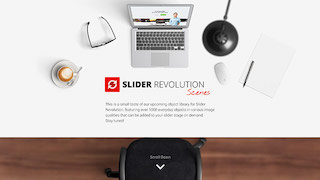
Lets see Slider Revolution in Action
All example sliders you find below are included with the download of the Slider Revolution 5.0 Plugin.
Oh, and it also comes with all assets like images and videos. Browse the Examples Folder through to find your favorite Example. Duplicate it and just start to build your own Slider based on our examples!
Customization is a Breeze!
Installation steps need to be clear: downloading the ISO, creating a bootable media, installing via USB or DVD, configuration after booting. Use Cases could be for old machines, portable usage, or specific tasks like coding or testing. Advantages over original LiteOS would be additional tools, better performance tweaks. Disadvantages might be limited support or instability due to being a third-party repack.
Potential issues: The user might not mention if XTreme LiteOS 81 Repack is actually a real product or a hypothetical one. Since I can't verify real-world existence, I should frame it as a hypothetical example based on general knowledge of similar OSes. Also, avoid promoting any unethical or potentially illegal activities, even if the OS is used for penetration testing.
In the Overview, I can mention it's a lightweight, customizable repack of LiteOS, suitable for old hardware. Key Features might highlight hardware compatibility, pre-installed tools, customization, performance, and security. System Requirements should list the minimal specs, likely very low RAM and disk space.
Make sure all information is correct based on general knowledge of Linux distros and repacks. Don't make up features that aren't common in similar OSes. Avoid anything that could be misleading.
I should also include warnings about using third-party repacks without proper source verification. Emphasize checking checksums, digital signatures, and only using trusted sources.
In the Use Cases section, maybe include examples like system rescue, portable OS on USB stick, or running on old laptops that can't handle heavier OSes.
First, I need to consider the target audience. Probably users looking for an operating system that's efficient, compatible with older hardware, and perhaps more tailored to specific needs. They might need features like minimal resource usage, pre-installed apps, or specific configurations for certain tasks like penetration testing, system recovery, or everyday use.
Finally, conclusion should wrap up by summarizing the pros and cons, and whether it's a good fit for someone with specific needs.