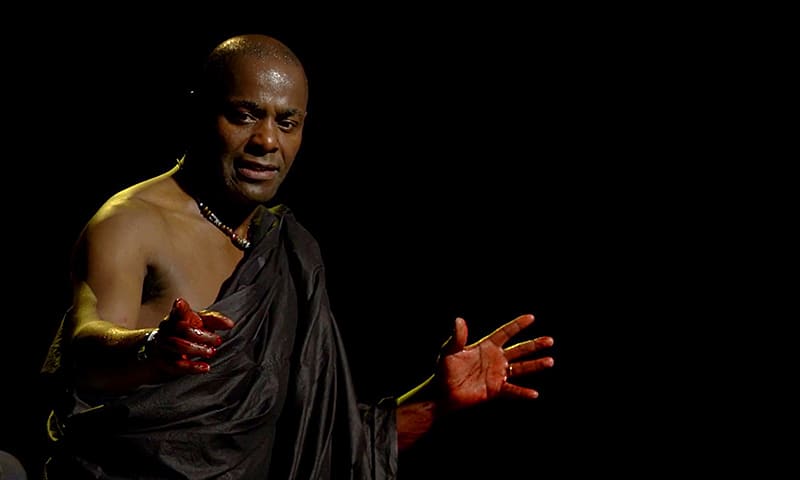
Shabar Mantra Internet Archive (2025)
Digitizing such ephemeral, community-centered practices onto the internet—particularly into archives—creates a striking encounter between embodied oral tradition and the fixity of digital preservation. An internet archive of shabar mantras promises several benefits. It can rescue fragile knowledge from loss, provide researchers access to variant forms across geography and time, and enable cross-cultural comparative work that enriches understandings of South Asian folk religiosities. For practitioners dispersed by migration, an online repository can sustain lineage memory and reconnect diasporic communities to ritual repertoires otherwise endangered by urbanization and modernization.
In sum, an internet archive of shabar mantras sits at the intersection of preservation and peril. Its promise—to document, sustain, and circulate a vital repertoire of embodied knowledge—must be realized through frameworks that center community agency, contextual fidelity, and careful access controls. When archival technology amplifies the voices of tradition-bearers rather than replaces them, digitization can become a generative force: not the final resting place of shabar mantras, but a mediated, living repository that supports their continued evolution.
Yet archiving shabar mantras online also raises ethical and practical tensions. Many of these formulae are considered secret, potent, or bound to specific social roles (ritual specialists, village healers, or family lineages). Publishing them publicly risks desacralization, misuse, or commodification—turning talismanic speech into aesthetic curiosities or easily replicated “recipes” stripped of ritual context. There is also a power asymmetry: scholars, tech platforms, and collectors (often from privileged institutions) may extract and reframe community-held knowledge without equitable consent, attribution, or benefit-sharing. This dynamic can replicate extractive patterns long critiqued within anthropology and heritage studies.
A responsible archival approach foregrounds collaboration, consent, and context. Co-curation with ritual specialists and communities should guide what is collected, how it is described, and who may access it. Consent processes must be iterative, culturally appropriate, and allow for future withdrawal. Archival records should include rich contextualization: provenance, performative setting, instructions for appropriate use, and statements by knowledge-holders about restrictions and meanings. Where secrecy or potential harm is a concern, archives can use tiered access models—public summaries coupled with restricted audio or complete texts accessible only to verified tradition-bearers or research partners under agreed terms.
Finally, the act of archiving itself is a cultural intervention with political ramifications. Recognizing shabar mantras as worthy of preservation contests hierarchies that privilege canonical scripture while marginalizing folk practices as superstition. Done ethically, an internet archive can affirm the value of vernacular spiritual knowledge, bolster cultural resilience, and create spaces for community-led heritage work. Done poorly, it risks appropriation, harm, and the erosion of living practices.