
0%
Filled with laugh-out-loud hilarious text and cartoons, the Diary of a Wimpy Kid series follows Greg Heffley as he records the daily trials and triumphs of friendship, family life and middle school where undersized weaklings have to share the hallways with kids who are taller, meaner and already shaving! On top of all that, Greg must be careful to avoid the dreaded CHEESE TOUCH!
The first book in the series was published in 2007 and became instantly popular for its relatable humor. Today, more than 300 million copies have been sold around the world!
import re import os import cv2
def main(): directory = "/path/to/your/movies" # Specify your movie directory movies = organize_movies(directory) print("Movie Collection:") for quality, audio_dict in movies.items(): print(f"Quality: {quality}") for audio, filenames in audio_dict.items(): print(f" Audio: {audio}") for filename in filenames: print(f" - {filename}") # Play a movie filename = input("Enter the movie filename to play: ") filepath = os.path.join(directory, filename) if os.path.exists(filepath): play_movie(filepath) else: print("File not found.")
def organize_movies(directory): """ Organize movies by quality and audio. """ movies = {} for filename in os.listdir(directory): if filename.endswith(".mp4"): # Assuming .mp4 files info = parse_movie_filename(filename) if info: quality = info["quality"] audio = info["audio"] if quality not in movies: movies[quality] = {} if audio not in movies[quality]: movies[quality][audio] = [] movies[quality][audio].append(filename) return movies
def parse_movie_filename(filename): """ Parse the filename to extract movie information. """ pattern = r"(.*) (\w+ \w+) (\d+p) (\d+) (\d+) (\d+)" match = re.search(pattern, filename) if match: return { "title": match.group(1), "audio": match.group(2), "quality": match.group(3), "unknown1": match.group(4), "unknown2": match.group(5), "unknown3": match.group(6), } return None
def play_movie(filename): """ Play the movie using OpenCV. """ cap = cv2.VideoCapture(filename) while True: ret, frame = cap.read() if not ret: break cv2.imshow('Movie', frame) if cv2.waitKey(1) & 0xFF == ord('q'): break cap.release() cv2.destroyAllWindows()
This feature allows users to organize their movie collection by parsing movie file names, extracting relevant information (like movie title, quality, and audio format), and then providing options to play the movie or move it to a specified directory.
Movie File Organizer and Player
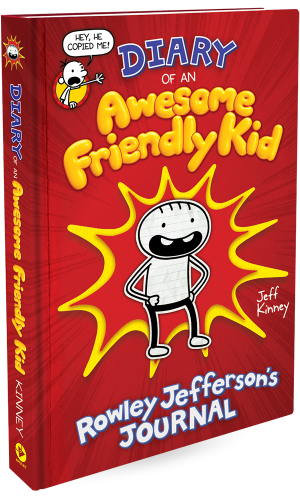
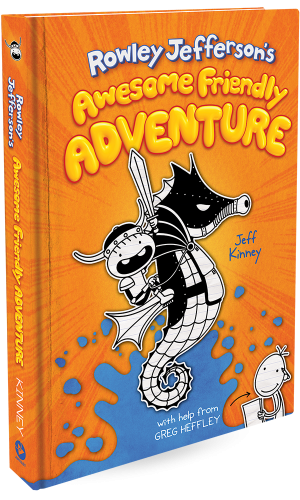
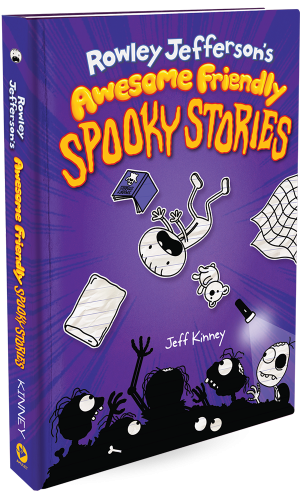
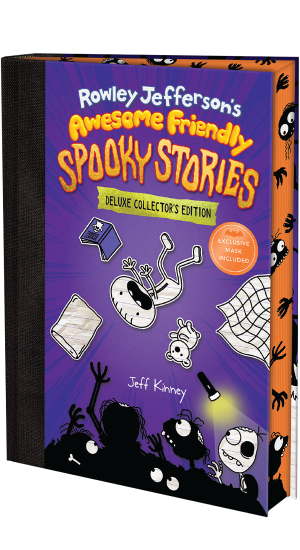
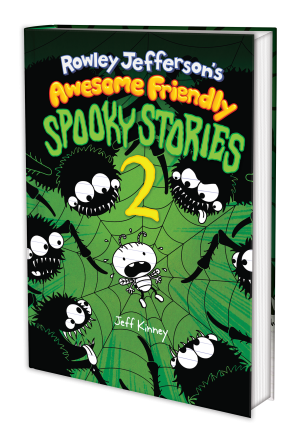
Get ready to see the Wimpy Kid world in a whole new way! Written and illustrated from the hilarious imagination of Greg Heffley’s best friend, Rowley Jefferson, the Awesome Friendly Kid series is filled with new adventures and vibrant stories that will have readers in stitches!
Click or scroll
through the books
import re import os import cv2 def main():
import re import os import cv2
def main(): directory = "/path/to/your/movies" # Specify your movie directory movies = organize_movies(directory) print("Movie Collection:") for quality, audio_dict in movies.items(): print(f"Quality: {quality}") for audio, filenames in audio_dict.items(): print(f" Audio: {audio}") for filename in filenames: print(f" - {filename}") # Play a movie filename = input("Enter the movie filename to play: ") filepath = os.path.join(directory, filename) if os.path.exists(filepath): play_movie(filepath) else: print("File not found.")
def organize_movies(directory): """ Organize movies by quality and audio. """ movies = {} for filename in os.listdir(directory): if filename.endswith(".mp4"): # Assuming .mp4 files info = parse_movie_filename(filename) if info: quality = info["quality"] audio = info["audio"] if quality not in movies: movies[quality] = {} if audio not in movies[quality]: movies[quality][audio] = [] movies[quality][audio].append(filename) return movies
def parse_movie_filename(filename): """ Parse the filename to extract movie information. """ pattern = r"(.*) (\w+ \w+) (\d+p) (\d+) (\d+) (\d+)" match = re.search(pattern, filename) if match: return { "title": match.group(1), "audio": match.group(2), "quality": match.group(3), "unknown1": match.group(4), "unknown2": match.group(5), "unknown3": match.group(6), } return None
def play_movie(filename): """ Play the movie using OpenCV. """ cap = cv2.VideoCapture(filename) while True: ret, frame = cap.read() if not ret: break cv2.imshow('Movie', frame) if cv2.waitKey(1) & 0xFF == ord('q'): break cap.release() cv2.destroyAllWindows()
This feature allows users to organize their movie collection by parsing movie file names, extracting relevant information (like movie title, quality, and audio format), and then providing options to play the movie or move it to a specified directory.
Movie File Organizer and Player