 oCam Free Download - Easy & Powerful Screen Recorder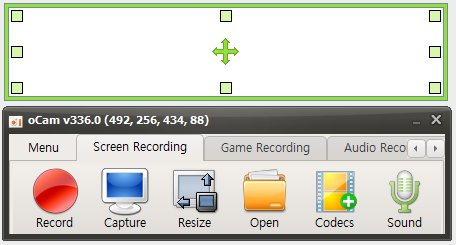
| Recommended spec | |
|---|---|
| CPU | pentium4 2.5GHz |
| MEMORY | 1G RAM |
| VGA | over 1024*768 16BIT |
| OS | 2003 / Vista / Windows 7, 8, 10, 11 |
| LICENSE | Free For Home User Only(non-commercial) |

There’s also comedy to be found. The word “frivolous” invites a kind of playful mockery. Imagine a formal proclamation about socks that spirals into an internecine war over argyle versus plain black. The more earnest the enforcement, the more delicious the spectacle when people respond with theatrical flourish: sequins under a dark coat, mismatched buttons, or an entire office’s coordinated counter-protest in outrageously patterned ties. Frivolity, in this reading, can be a form of resistance that uses laughter and style to deflate authority.
But beyond critique, “Frivolous Dress Order” is fertile ground for thinking about identity. Clothes are never merely cloth; they are mediums for self-expression, armor against the world, and shorthand for belonging. When an order attempts to fix attire, it attempts — however clumsily — to fix identity. The backlash can be gentle or fierce. A student cuffing a skirt differently, a clerk tying a tie in a nonconforming knot, or an employee wearing a flash of color under a strict blazer: all these small rebellions reclaim personhood from the decree’s flattening gaze. In this way, the phrase celebrates the absurd human knack for improvisation — for turning a trivial rule into an opportunity to assert individuality. Frivolous Dress Order
Imagine a campus, a court, or an office where a posted notice decrees a specific cut of skirt or a sanctioned shade of tie “appropriate.” The order’s presumed purpose is uniformity: to make bodies legible and roles unmistakable. Yet its frivolity undermines its own logic. The decree reveals itself as an exercise in control for control’s sake — a rehearsal of authority divorced from moral or practical weight. It becomes performative: the institution proves it can command, and those subjected to it practice compliance or resistance, each move a spoken sentence in a quiet conversation about power. There’s also comedy to be found
Finally, there’s a philosophical edge. The tension between order and frivolity mirrors a larger human contradiction: we crave structure but hunger for play. Rules create predictability and safety; frivolity opens paths to creativity and joy. A “frivolous dress order” forces us to confront how much rigidity a society needs before it smothers delight, and conversely, how much whimsy it can absorb before cohesion dissolves. Perhaps the healthiest life balances both: a world where form and flout co-exist, where uniforms keep certain functions clear while individual flourishes remain cherished. The more earnest the enforcement, the more delicious
 oCam
oCam  VirtualDVD
  CoffeeZip
  SecretFolder
  CapturePlus