Menu
Geodesic Dome

Clickpocalypse 2 Save Editor ⇒

Geodesic Dome Kits that are Easy to Build!

Geodesic Dome Greenhouse Kits for Sale

Clickpocalypse 2 Save Editor ⇒

Geodesic Chicken Coop
Geodesic Dome Kits that are Easy to Build!

Geodesic Dome Greenhouse Kits for Sale

Clickpocalypse 2 Save Editor ⇒

Geodesic Dome Greenhouse Kits for Sale

Clickpocalypse 2 Save Editor ⇒


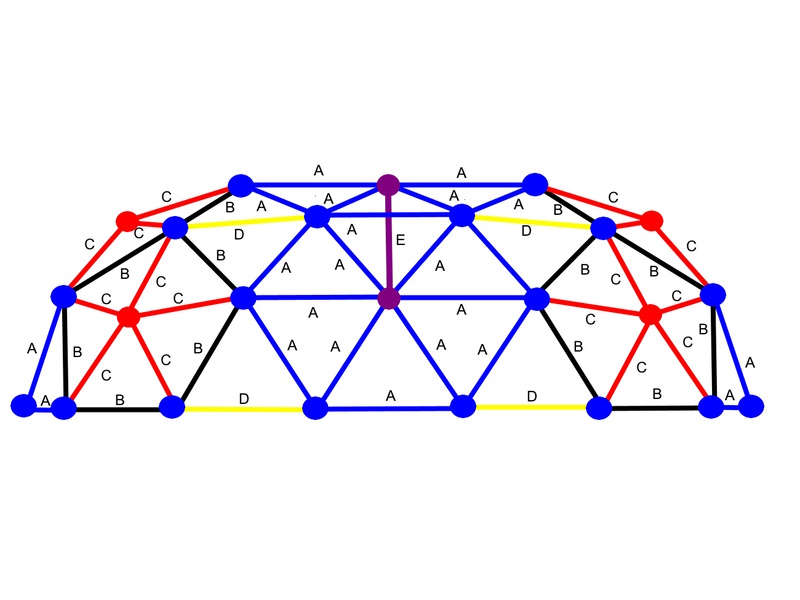
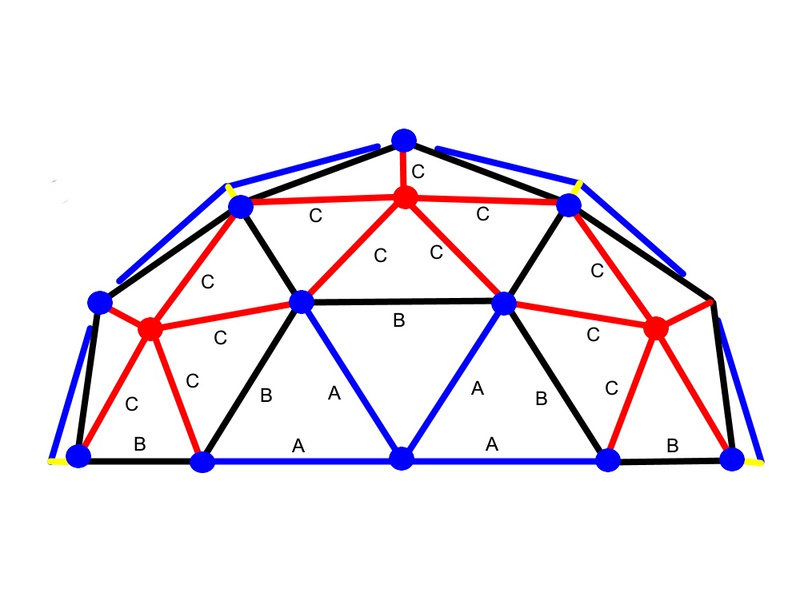
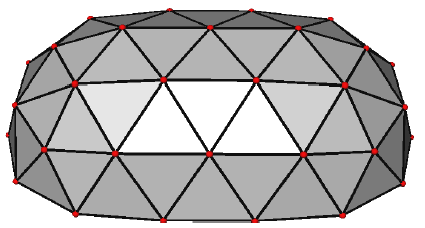
2v Tunnel Domes with 1 Extension Examples

  • 2v Tunnel Dome 1 Ext. Front View
    2v Tunnel Dome 1 Ext. Front View
  • 2v Tunnel Dome 1 Ext. Top Down View
    2v Tunnel Dome 1 Ext. Top Down View
  • 2v Tunnel Dome 1 Ext. Side View
    2v Tunnel Dome 1 Ext. Side View
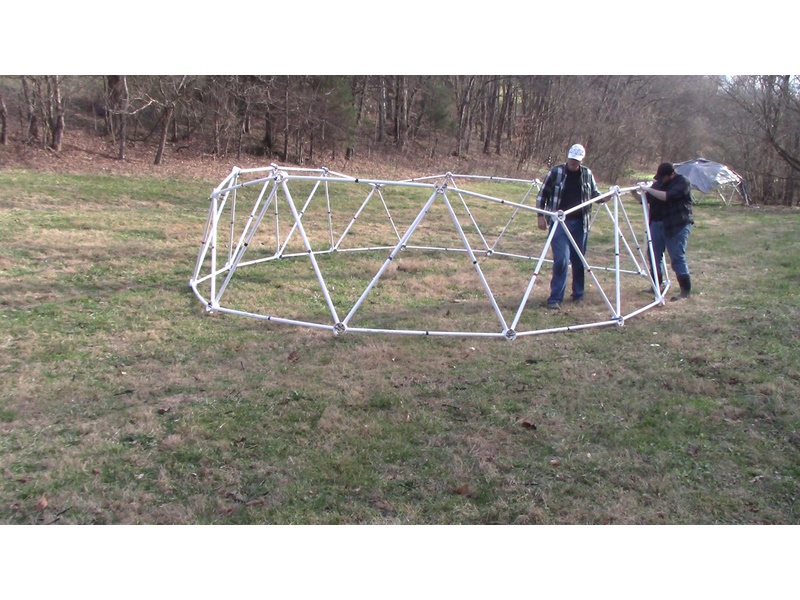
  • Building the 2v Tunnel Dome with 1 Extension
    Building the 2v Tunnel Dome with 1 Extension
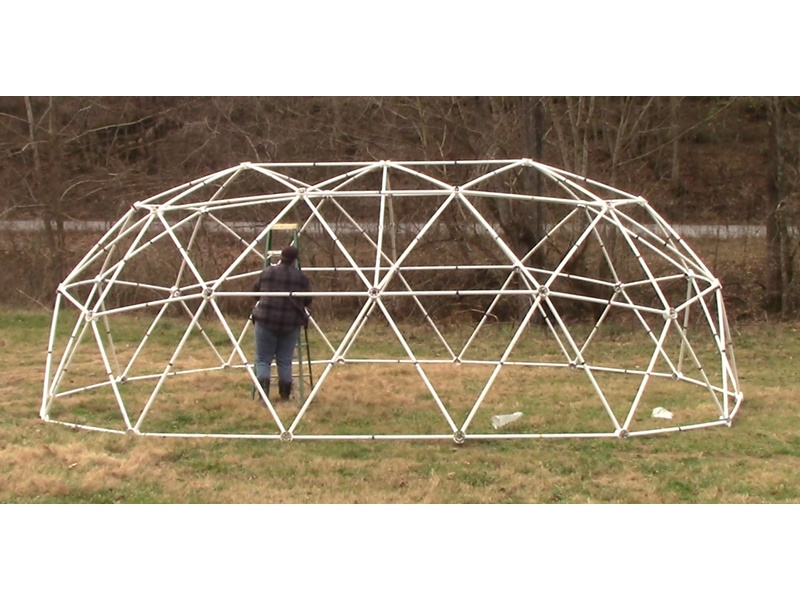
  • Completed 2v Tunnel Dome with 1 Extension
    Completed 2v Tunnel Dome with 1 Extension

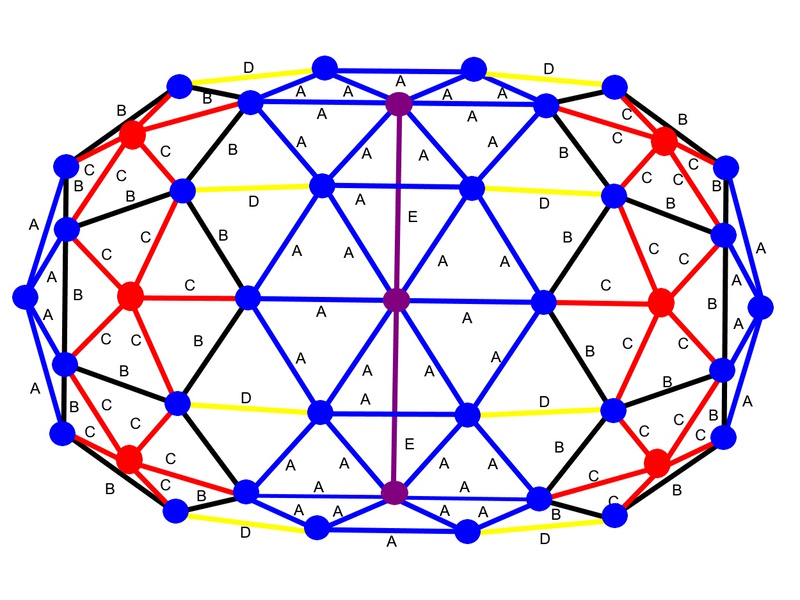
41 hubs, 106 struts.
The 2v Tunnel Dome with 1 Extension produces a larger space for a greenhouse or shed.
Listed 2v Tunnel Dome 1 Extension Sizes: 11' wide, 17' long to 20' wide, 30' long.
You can build larger or smaller 2v Tunnel Domes by adjusting the strut lengths, contact us for details.

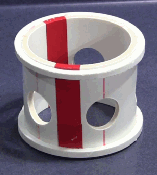
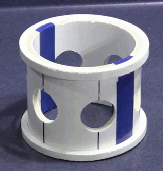
2v Tunnel Dome Dual Covering Hubs

Requires a Chop Saw to Manufacture.

clickpocalypse 2 save editor
5-way Red Hubs
clickpocalypse 2 save editor
6-way Blue Hubs

The Dual Covering Hubs are used for building geodesic greenhouses in cold weather environments.

  The Dual Covering Hubs allows a Greenhouse to be covered with 2 layers of plastic, one on the inside and one on the outside of the dome. This creates a "dead air space" between the two layers for plastic for better insulation.

 The Dual Covering Hubs require a chop saw to manufacture.

Tools Needed to Manufacture the Dual Covering Hubs: A Power Hand Drill or Drill Press, and a Chop Saw for cutting the hubs and rings.


Each 2v Tunnel Dome with 1 Extension Download Contains:

They called it a little tool with a ridiculous name—a tumble of consonants and apocalypse-bait—yet for anyone who’d ever stared at the glow of a screen while chaos unfolded in Clickpocalypse 2, the save editor arrived like a neon flare in a black sky.

Developers reacted with the weary dignity of caretakers who’ve been handed a broom mid-storm. One patch attempted to neuter the tool; another cut down exploit vectors like trimming a hydra. For every fix, a cunning user found a new seam. Moderators argued in threads about fairness and fun. Some players thumbed noses at the purists: why not let players write their own stories if it made them happy?

Years later, veterans still joke about the “clickpocalypse” era—the time when a single utility exposed the elasticity of community norms. They tell new players how it felt to toggle the impossible and watch a world rearrange itself around a single decision. No one claims the editor was purely villain or hero. It was, like the best glitches, a mirror: it reflected how we choose to play, to fix, and to forgive. clickpocalypse 2 save editor

It didn’t begin with fanfare. Someone in a dusty forum uploaded a single executable and a readme with shaky grammar: alter your stats, tweak your inventory, resurrect lost progress. The initial downloads were small—curiosity, not calamity. Then the stories started: a late-night player who turned a struggling archer into an immortal artillery, a guild that used it to test endgame builds without weeks of grinding, a lonely achievement hunter who rewound a tragic sequence and watched companions revived with a bittersweet click.

The editor reshaped communities. Small servers fractured into camps—those who swore by untouched runs, those who accepted an honesty policy where edited saves were clearly labeled, and those who embraced outright chaos. New genres of content bloomed: tutorial videos on tasteful edits (“how to fix a bugged quest without nuking your loot”), artistic exhibitions of absurd builds, and dark corners where players traded pristine templates for armor sets that blurred into caricature.

Ethics became performative. Streamers who showed editor-assisted runs turned away from accusations with scripted bemusement—“It’s for testing!”—while chat scoured save files for telltale fingerprints: an extra 10,000 gold here, an arcane sword that should have been myth there. The editor forced a question that always lurks behind pixels: is playing a game about adhering to its rules, or about bending it until it sings in the key you prefer?

At first, the editor was a private rebellion against bad RNG. Players whispered about it like a folktale—“if you need it, it’s there.” But whispers travel fast in corners of the internet that never sleep. Screenshots surfaced: gleaming caches of loot multiplied to obscene abundance, character sheets rewritten into cartoons of power. The sandbox tilted. Leaderboards wobbled. Speedrun times fell into the uncanny valley, suspiciously perfect.

In the end, Clickpocalypse 2’s save editor remained less a final arbiter than a prompt. It asked whether games are immutable laws or living conversations. The answer never stayed the same for long. Players edited. Developers patched. Stories adapted. The game kept humming, and the editor—absurdly named, reluctantly licit—kept sitting in the attic of memory, a little dangerous, a little beloved, and forever a part of the mythos.

And so the editor lived on as a paradox: tool and toxin, savior and spoiler. It taught players to be better archivists of their own stories—backups became ritual, and confession threads sprang up where people admitted their sins, posted their blessedly fixed saves, and offered lessons to newcomers. It also pushed developers toward better design: more resilient save systems, clearer boundaries between testing and competitive spaces, and in some rare instances, official modding support that gave creators sanctioned creative room without hollowing the game’s spine.

For the developers, the most vexing consequence wasn’t cheating but narrative drift. Clickpocalypse 2 had been built around emergent stories—misfires, misadventures, that grit that makes a digital world feel alive. The editor offered neat endings, polished avengers, painless resurrections. It made tragedy optional and, in doing so, changed the flavor of the tales players told. Some players missed the old scars: the companions lost forever, the hard-earned moments that became campfire stories. Others rejoiced in the new freedom—no more being thwarted by bugs or bad luck. Both sides claimed a kind of righteousness. They called it a little tool with a
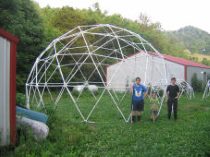



Download a Complete Set of Instructions and Manufacturing License for Building a 2v Tunnel Dome with 1 Extension Using our Patented Hub Design


clickpocalypse 2 save editor
Geodesic Tunnel Dome with 1 Extension Plans
(with Dual Covering Hubs) Price: $41.00

41 hubs, 106 struts.
Download Geodesic Tunnel Dome Plans with 1 Extension (with Dual Covering Hubs)
Price: $41.00
clickpocalypse 2 save editor

Secure Credit Card Processing by clickpocalypse 2 save editor clickpocalypse 2 save editor

We cannot accept returns on digital downloads.

All digital download sales are final.

If you have any questions, you can call us at 1 (931) 858-6892.


Clickpocalypse 2 Save Editor ⇒

They called it a little tool with a ridiculous name—a tumble of consonants and apocalypse-bait—yet for anyone who’d ever stared at the glow of a screen while chaos unfolded in Clickpocalypse 2, the save editor arrived like a neon flare in a black sky.
Developers reacted with the weary dignity of caretakers who’ve been handed a broom mid-storm. One patch attempted to neuter the tool; another cut down exploit vectors like trimming a hydra. For every fix, a cunning user found a new seam. Moderators argued in threads about fairness and fun. Some players thumbed noses at the purists: why not let players write their own stories if it made them happy?

Years later, veterans still joke about the “clickpocalypse” era—the time when a single utility exposed the elasticity of community norms. They tell new players how it felt to toggle the impossible and watch a world rearrange itself around a single decision. No one claims the editor was purely villain or hero. It was, like the best glitches, a mirror: it reflected how we choose to play, to fix, and to forgive.

It didn’t begin with fanfare. Someone in a dusty forum uploaded a single executable and a readme with shaky grammar: alter your stats, tweak your inventory, resurrect lost progress. The initial downloads were small—curiosity, not calamity. Then the stories started: a late-night player who turned a struggling archer into an immortal artillery, a guild that used it to test endgame builds without weeks of grinding, a lonely achievement hunter who rewound a tragic sequence and watched companions revived with a bittersweet click.

The editor reshaped communities. Small servers fractured into camps—those who swore by untouched runs, those who accepted an honesty policy where edited saves were clearly labeled, and those who embraced outright chaos. New genres of content bloomed: tutorial videos on tasteful edits (“how to fix a bugged quest without nuking your loot”), artistic exhibitions of absurd builds, and dark corners where players traded pristine templates for armor sets that blurred into caricature.

Ethics became performative. Streamers who showed editor-assisted runs turned away from accusations with scripted bemusement—“It’s for testing!”—while chat scoured save files for telltale fingerprints: an extra 10,000 gold here, an arcane sword that should have been myth there. The editor forced a question that always lurks behind pixels: is playing a game about adhering to its rules, or about bending it until it sings in the key you prefer?

At first, the editor was a private rebellion against bad RNG. Players whispered about it like a folktale—“if you need it, it’s there.” But whispers travel fast in corners of the internet that never sleep. Screenshots surfaced: gleaming caches of loot multiplied to obscene abundance, character sheets rewritten into cartoons of power. The sandbox tilted. Leaderboards wobbled. Speedrun times fell into the uncanny valley, suspiciously perfect.

In the end, Clickpocalypse 2’s save editor remained less a final arbiter than a prompt. It asked whether games are immutable laws or living conversations. The answer never stayed the same for long. Players edited. Developers patched. Stories adapted. The game kept humming, and the editor—absurdly named, reluctantly licit—kept sitting in the attic of memory, a little dangerous, a little beloved, and forever a part of the mythos.

And so the editor lived on as a paradox: tool and toxin, savior and spoiler. It taught players to be better archivists of their own stories—backups became ritual, and confession threads sprang up where people admitted their sins, posted their blessedly fixed saves, and offered lessons to newcomers. It also pushed developers toward better design: more resilient save systems, clearer boundaries between testing and competitive spaces, and in some rare instances, official modding support that gave creators sanctioned creative room without hollowing the game’s spine.

For the developers, the most vexing consequence wasn’t cheating but narrative drift. Clickpocalypse 2 had been built around emergent stories—misfires, misadventures, that grit that makes a digital world feel alive. The editor offered neat endings, polished avengers, painless resurrections. It made tragedy optional and, in doing so, changed the flavor of the tales players told. Some players missed the old scars: the companions lost forever, the hard-earned moments that became campfire stories. Others rejoiced in the new freedom—no more being thwarted by bugs or bad luck. Both sides claimed a kind of righteousness.

For telephone orders or questions, call us at .

Or, go to our Contact Us page to send us an email.